

The Hidden Weight of Clutter: Why a Messy Home Stresses Women More
The Silent Stressor We Don’t Talk About
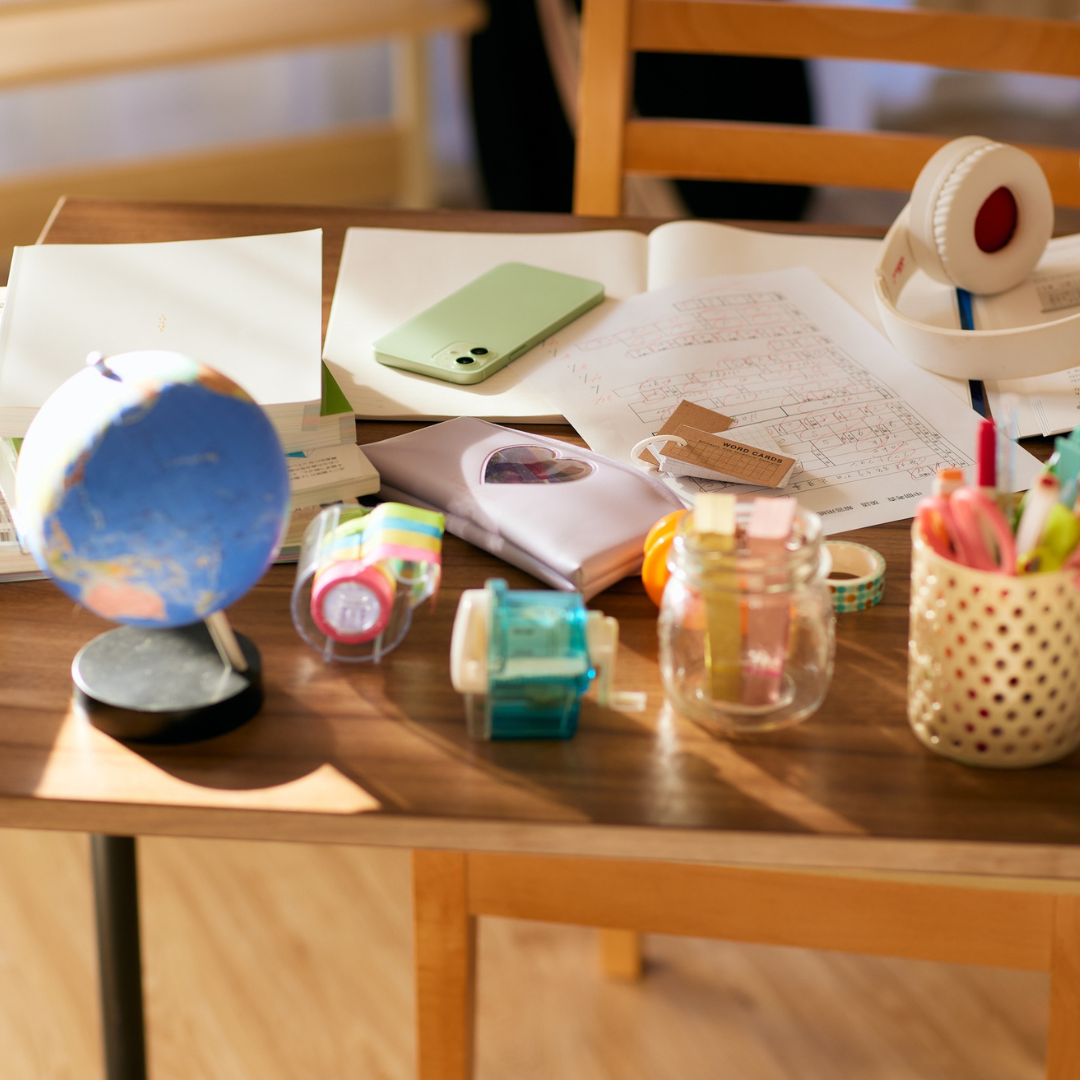
You walk into a room and see laundry piled up, dishes undone, papers on the counter — and your chest tightens. That reaction is real. Studies show clutter triggers a physical stress response, and women feel it more strongly than men.
Even if you “tune it out,” visual mess still registers in the body. It’s not perfectionism — it’s biology, psychology, and responsibility layered together.
Why Clutter Stresses Women Out
A UCLA study found that women who described their homes as “cluttered” had consistently higher cortisol levels throughout the day. Men in the same homes? Their stress levels barely changed.
Clutter doesn’t just annoy women — it activates their nervous system.
Why this happens:
Women’s brains are more sensitive to environmental cues tied to safety and responsibility.
The home often symbolizes identity, emotional load, and self-regulation.
Visual mess signals unfinished responsibility, which keeps the body on alert.
The Cortisol–Clutter Loop
When the brain sees disorder, the body shifts into “do something” mode:
Cortisol spikes
Adrenals stay activated
Appetite and blood sugar fluctuate
Mood and sleep become disrupted
Hormone balance can shift over time
When this happens daily — even in the background — the nervous system never truly rests.

ADHD, Executive Function, and Overwhelm
Many women are being diagnosed with ADHD later in life. This matters because ADHD affects executive function — the ability to plan, prioritize, and follow through.
This creates a frustrating cycle:
clutter → stress → paralysis → more clutter → guilt → burnout
The woman who needs order to feel calm is also the woman who struggles most to create it. The solution isn’t discipline — it’s designing systems that match how your brain works.
Why Women Feel Clutter More Deeply
These layers shape the experience:
Hormones
Estrogen increases sensory awareness — women literally feel their environment more.
Cultural conditioning
Women often carry the emotional responsibility of the home, even unconsciously.
Nervous system wiring
Many women default to “tend-and-befriend” or fawn responses, making disorder feel unsafe or destabilizing.
So while some men walk past a mess without a second thought, a woman’s body may experience a subtle cortisol surge or a wave of unease.

How Visual Chaos Impacts Health
Chronic, low-grade clutter stress may lead to:
Fatigue or adrenal strain
Irritability, brain fog
Sugar cravings
PMS or cycle changes
Anxiety and poor sleep
Clutter becomes an invisible stressor — not because of what it is, but because of what it signals:
“You’re not done yet. You’re not safe yet.”
Simple Ways to Create a Calming Home
Small shifts make a big difference:
Choose one micro-zone to keep consistently clear.
Tie tidying to an existing habit (tea brewing, podcast, end of work).
Do two “reset points” a day — 5 minutes morning + evening.
Reduce visual noise with closed storage or simple containers.
Use soothing elements: lighting, plants, open space.
If you struggle with ADHD or overwhelm, make tidying rhythmic or sensory — something your body actually enjoys.
The goal isn’t a perfect house.
The goal is a regulated nervous system.
The Home Habit Health Perspective
Your home mirrors your internal world. When it feels chaotic, your hormones, energy, and mood respond. When it’s grounded, your body relaxes.
Women aren’t “too sensitive” — they’re intuitive. Their biology is simply responding to the story their environment tells.
By designing your home with compassion and rhythm, you support your hormones, your mental clarity, and your emotional wellbeing.
Closing Thought
Clutter isn’t just stuff on a counter — it’s a reflection of mental load and modern stress.
When a woman creates order in her environment, she isn’t just cleaning.
She’s healing.