

The Psoas Muscle: How Daily Habits, Stress, and Modern Living Shape This Deep Core Muscle
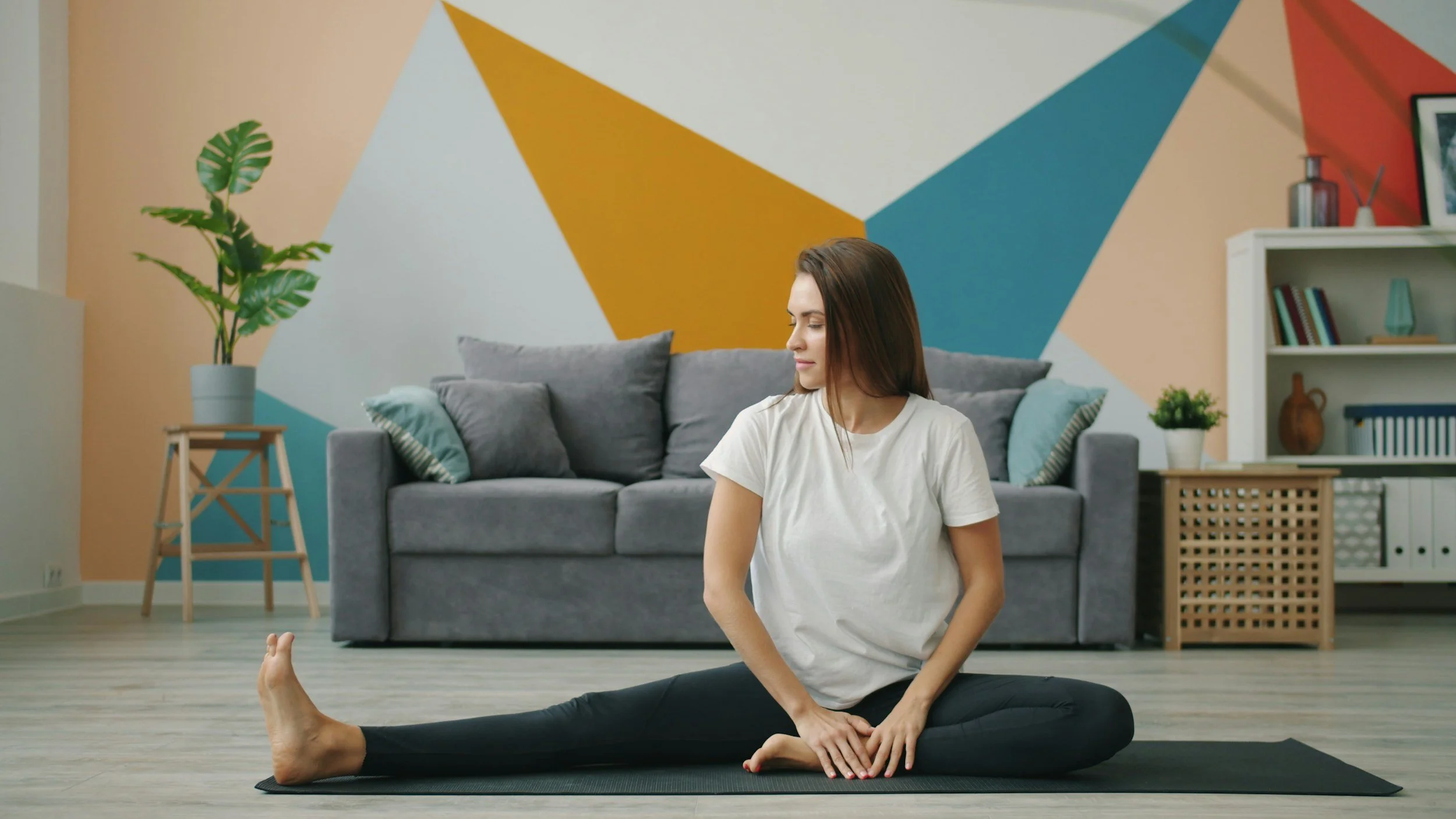
Most people have never heard of the psoas, yet this one deep muscle can influence how you move, breathe, digest, sleep, and handle stress.
It’s one of the clearest examples of how your daily habits — from the way you sit to the way you breathe — affect the way your body feels.
What Is the Psoas?
The psoas (pronounced so-as) is a long, deep muscle that connects your lower spine to your legs.
It plays a role in:
lifting your legs
walking
stabilizing your spine
maintaining posture
supporting your core
Because it sits near the diaphragm and internal organs, it is highly sensitive to stress, breathing patterns, and lifestyle rhythms. This is why someone can make changes to their home routines or movement habits — and suddenly feel relief in their hips or lower back.
Why It Gets Tight
The psoas naturally tightens when your body feels stressed, stuck, or unsupported.
Common triggers include:
long hours of sitting
constant low-level stress
shallow breathing
poor posture
weak glutes or core
A tight psoas is often a sign that the body has been living in “brace mode,” adapting to modern life more than movement.

What Makes the Psoas Weak or Dysfunctional Over Time
Dysfunction doesn’t happen overnight — it builds through patterns that repeat day after day.
The psoas becomes weak or unbalanced when:
1. Sitting Becomes the Default
Hours in a chair keep the psoas locked in a shortened position, eventually weakening and stiffening it.
2. Glutes Don’t Engage Enough
When the glutes are weak, the psoas takes over.
This creates strain and instability through the hips and lower back.
3. Breathing Stays Shallow
Because the psoas connects to the diaphragm, shallow breaths keep it tense and fatigued.
4. Stress Becomes a Baseline
The psoas responds instantly to emotional and mental stress.
Chronic tension leads to chronic tightness.
5. Posture Works Against the Body
Slouched sitting, a tilted pelvis, or an arched lower back all force the psoas into unhealthy positions.
6. Movement Lacks Variety
Repeating the same patterns without strengthening or lengthening this area creates imbalance.
7. Old Injuries Change the Way You Move
Compensation patterns often place extra load on the psoas, leaving it tight and weak at the same time.
How Tightness Shows Up
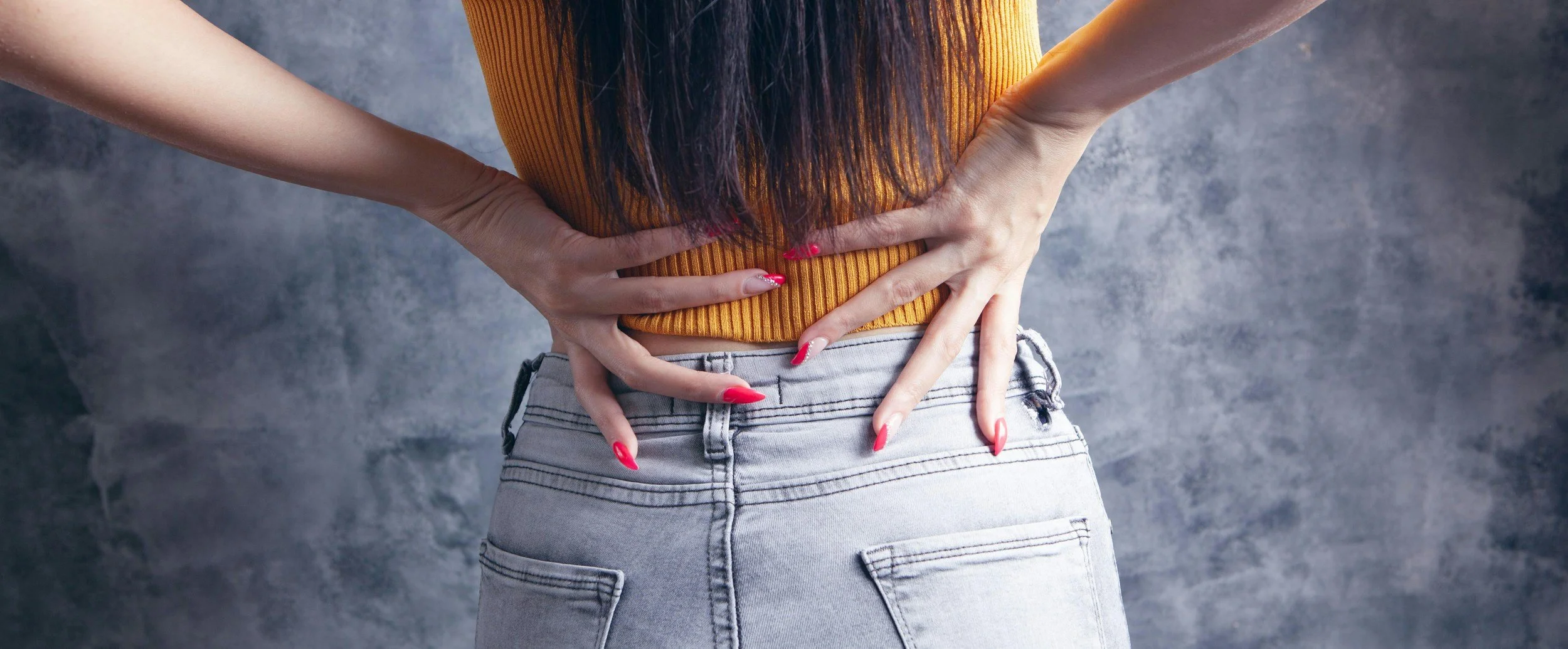
A dysfunctional psoas affects more than just the hips.
You may notice:
lower back pain
tight or clicking hips
digestive sluggishness
shallow breathing
difficulty relaxing
pelvic instability
feeling easily overwhelmed
Because the psoas connects movement with emotion and the nervous system, imbalance in this muscle often feels whole-body, not isolated.
How the Psoas Affects Your Quality of Life
Your psoas influences how supported and at ease you feel inside your own body.
Energy
A tight psoas keeps the nervous system alert, draining energy and making it harder to feel rested.
Mood
The psoas communicates with your stress response.
A tight psoas can create feelings of restlessness, irritability, or tension.
Breathing
Because of its connection to the diaphragm, a tight psoas restricts deep, grounding breaths.
Digestion
Its location near the intestines means tension here can affect bloating, motility, and abdominal comfort.
Posture and Pain
A constantly tightened psoas pulls the pelvis and spine out of alignment, often leading to back, hip, or even shoulder discomfort.
Sense of Ease
When the psoas softens, people often describe feeling:
lighter
grounded
calm
more balanced
more at home in their body
This shift affects not just comfort, but how someone moves through their daily routines.
How to Release the Psoas (Simple + Effective)
1. Constructive Rest
Lie on your back with knees bent and feet flat.
Stay for 5–10 minutes.
This gentle position naturally encourages the psoas to relax.
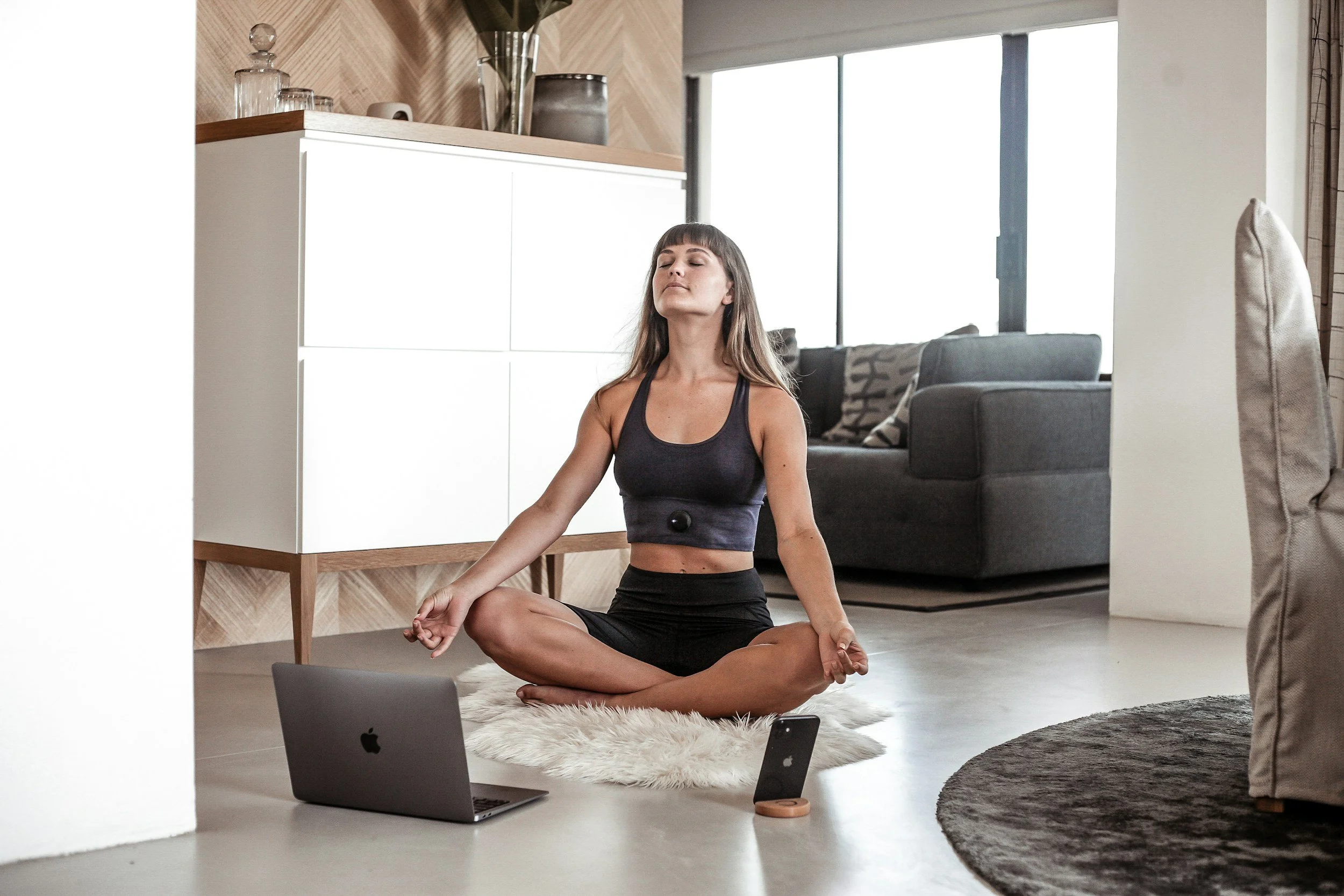
2. Deep Belly Breathing
Let the breath move low into the belly and ribs.
Relax your exhale.
This softens the diaphragm and, in turn, the psoas.
3. Gentle Low Lunge
Ease into a low lunge to stretch the front of the hip.
Keep the stretch mild — tension releases through softness, not force.
4. Soft Ball Release
Place a soft ball near the hip bone, lie on it, and breathe slowly.
This can help reduce deep-held tension.
A Final Thought
Your psoas is more than a muscle — it’s a reflection of how you live.
Your posture, your breath, your stress levels, the way you move around your home, and the routines you build each day all influence this one area.
When your environment supports your body, the psoas softens.
When your habits nurture movement, safety, and calm, your body responds with more energy, better digestion, and deeper ease.
Releasing the psoas becomes less about stretching — and more about creating a daily life that allows your body to finally relax.
© Home Habit Health LLC. All rights reserved.
This article is the intellectual property of Home Habit Health. The ideas, concepts, frameworks, and written content on this site are original work and may not be reproduced, modified, or used without written permission.