

Aesthetic as Medicine: How Your Environment Shapes Your Health and Hormones
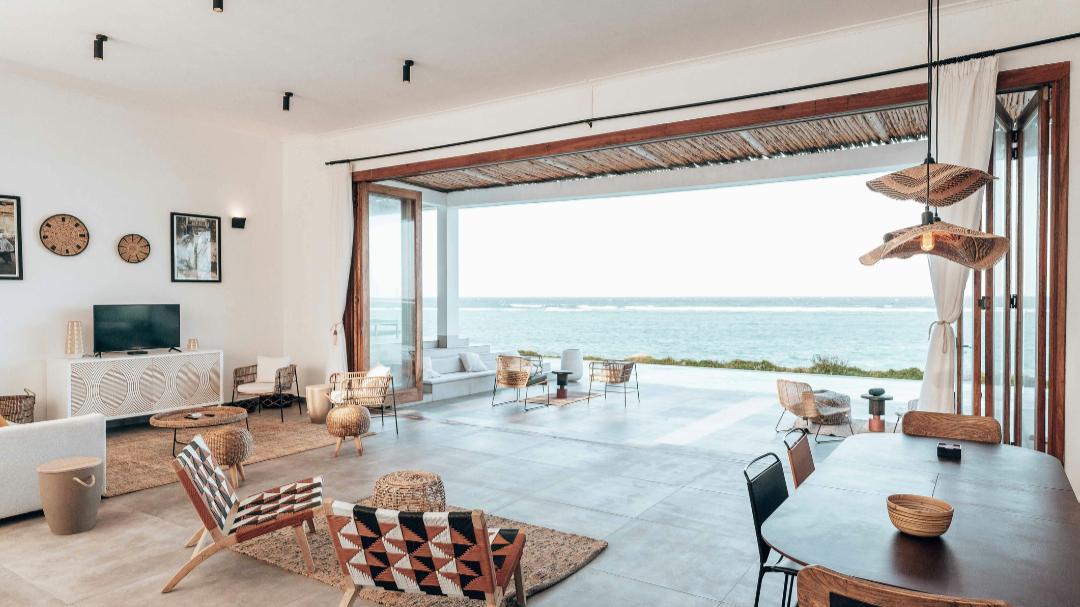
Have you ever walked into a space and instantly felt either calm or uneasy — without knowing why?
That’s not your imagination. It’s your nervous system responding to design.
The colors, lighting, textures, and layout around you are constantly sending messages to your body — telling it whether it’s safe to relax, to focus, to digest, or to guard itself. Your environment doesn’t just affect your mood — it affects your hormones, digestion, focus, and even how you age.
“At Home Habit Health, we call this concept Aesthetic as Medicine — the idea that the beauty and harmony of your surroundings act as a form of biological therapy.”
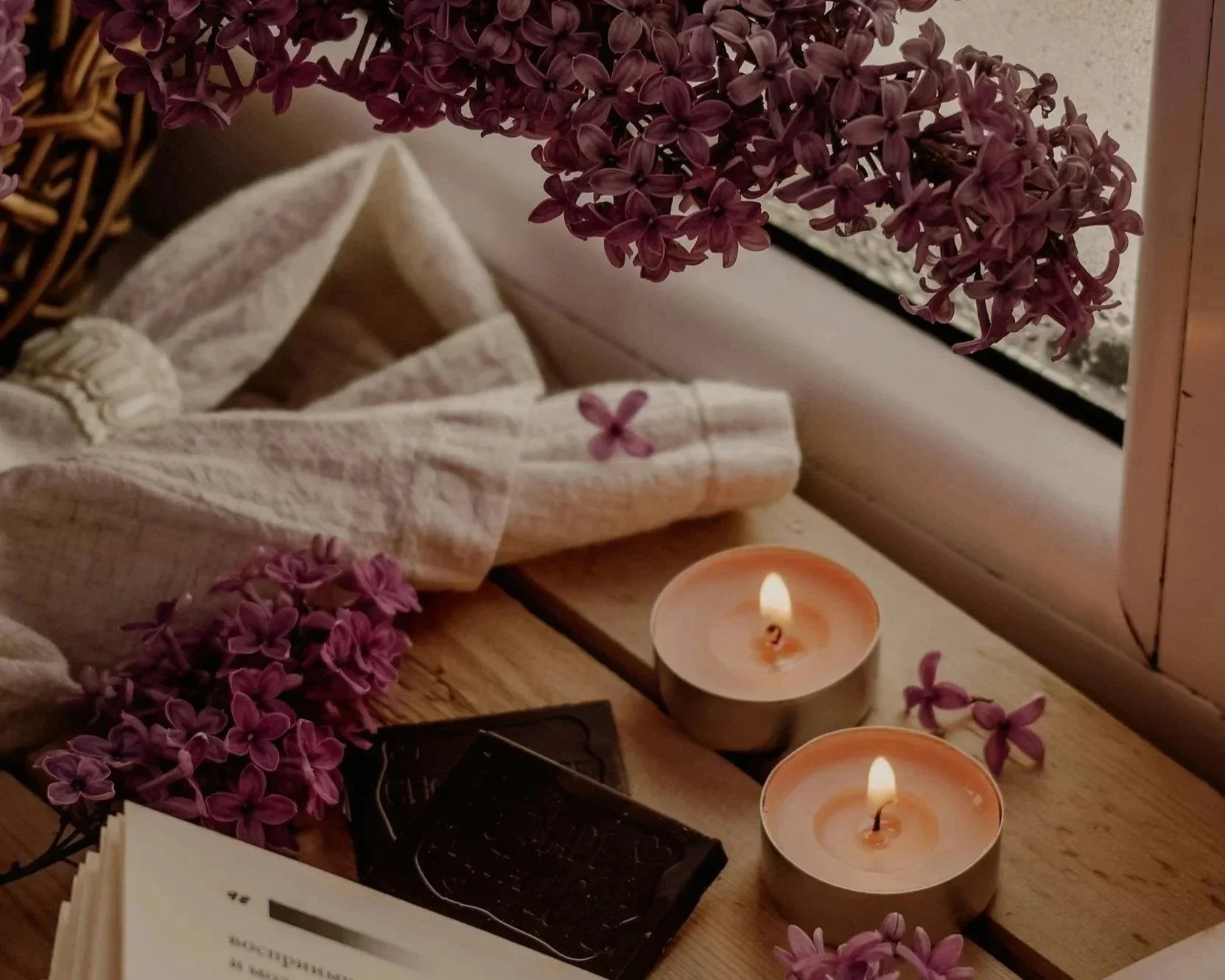
1. Your Environment Speaks to Your Nervous System
Every moment, your body is scanning your surroundings for signals of safety or threat. A cluttered kitchen, harsh overhead light, or chaotic color palette may not seem dangerous — but to your nervous system, they are. These micro stressors create constant low-level activation of the sympathetic (“fight or flight”) response.
When your brain perceives chaos, it tells your body to stay alert — increasing cortisol, blood sugar, and heart rate, while suppressing digestion and hormone balance.
On the other hand, when your environment feels visually balanced — natural light, calm colors, clean lines — your brain relaxes. Your parasympathetic (“rest and digest”) system turns on, allowing your body to:
Digest food more efficiently
Lower inflammation
Regulate hormones
Support deeper sleep
“The space you live in literally teaches your body how to function.”
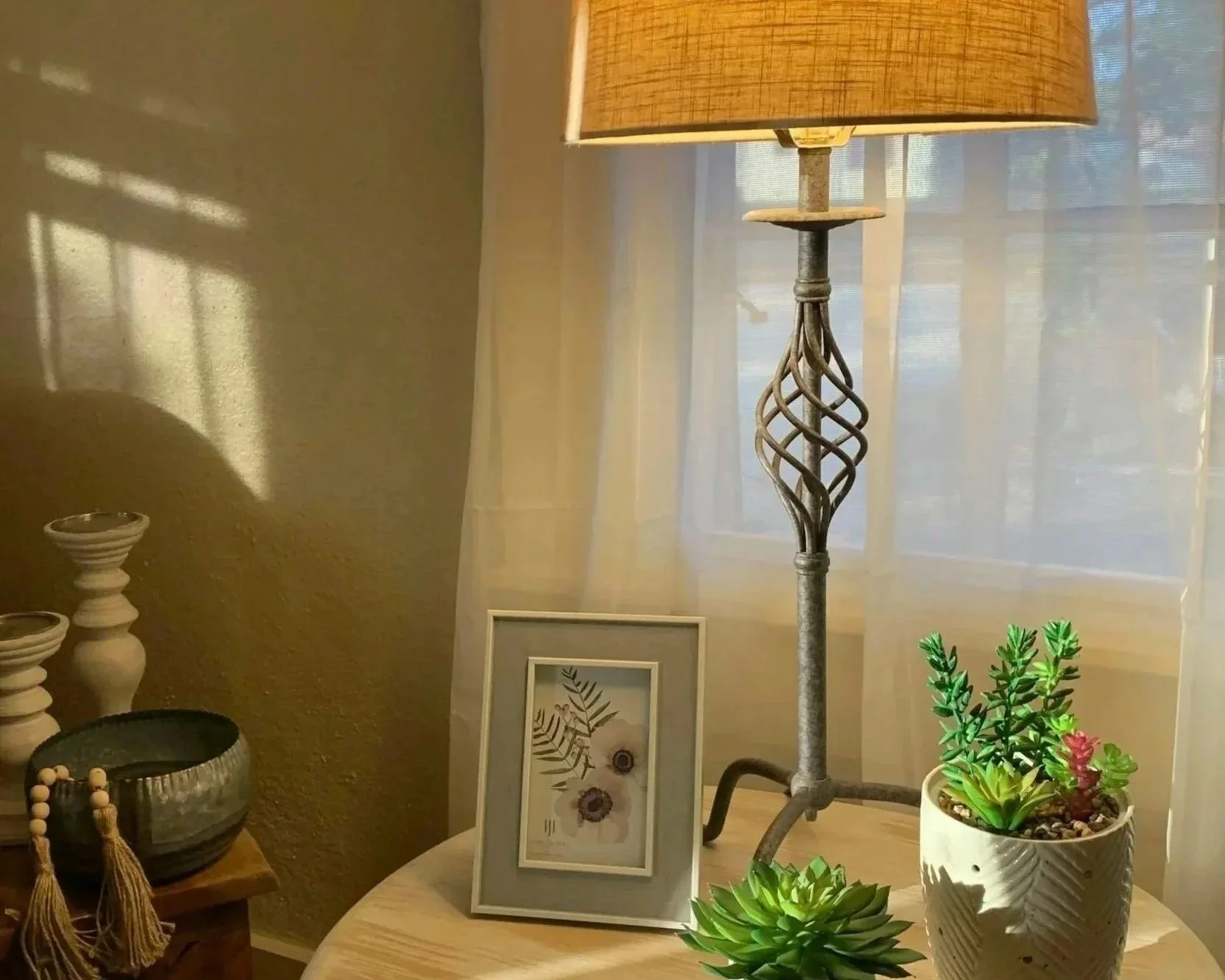
2. Lighting: Your Home’s Circadian Clock
Lighting is one of the most powerful — and overlooked — environmental inputs in functional medicine. Our biology evolved under the natural rise and fall of sunlight, which regulates our circadian rhythm — the body’s 24-hour clock that controls hormone release, energy, and sleep cycles.
When we surround ourselves with bright, cool-toned lighting late at night or work under dim lighting all day, the body becomes confused. Melatonin production decreases. Cortisol spikes at the wrong time. Appetite hormones like ghrelin and leptin lose rhythm, which can affect energy and weight.
Here’s how to restore balance:
Use natural daylight in the morning to anchor your rhythm and boost focus.
Transition to warm, amber lighting in the evening to cue rest.
Avoid harsh white light in bedrooms and kitchens at night.
Add a small lamp or sconce instead of relying on overhead bulbs.
“Your lighting is more than ambiance — it’s hormone regulation.”
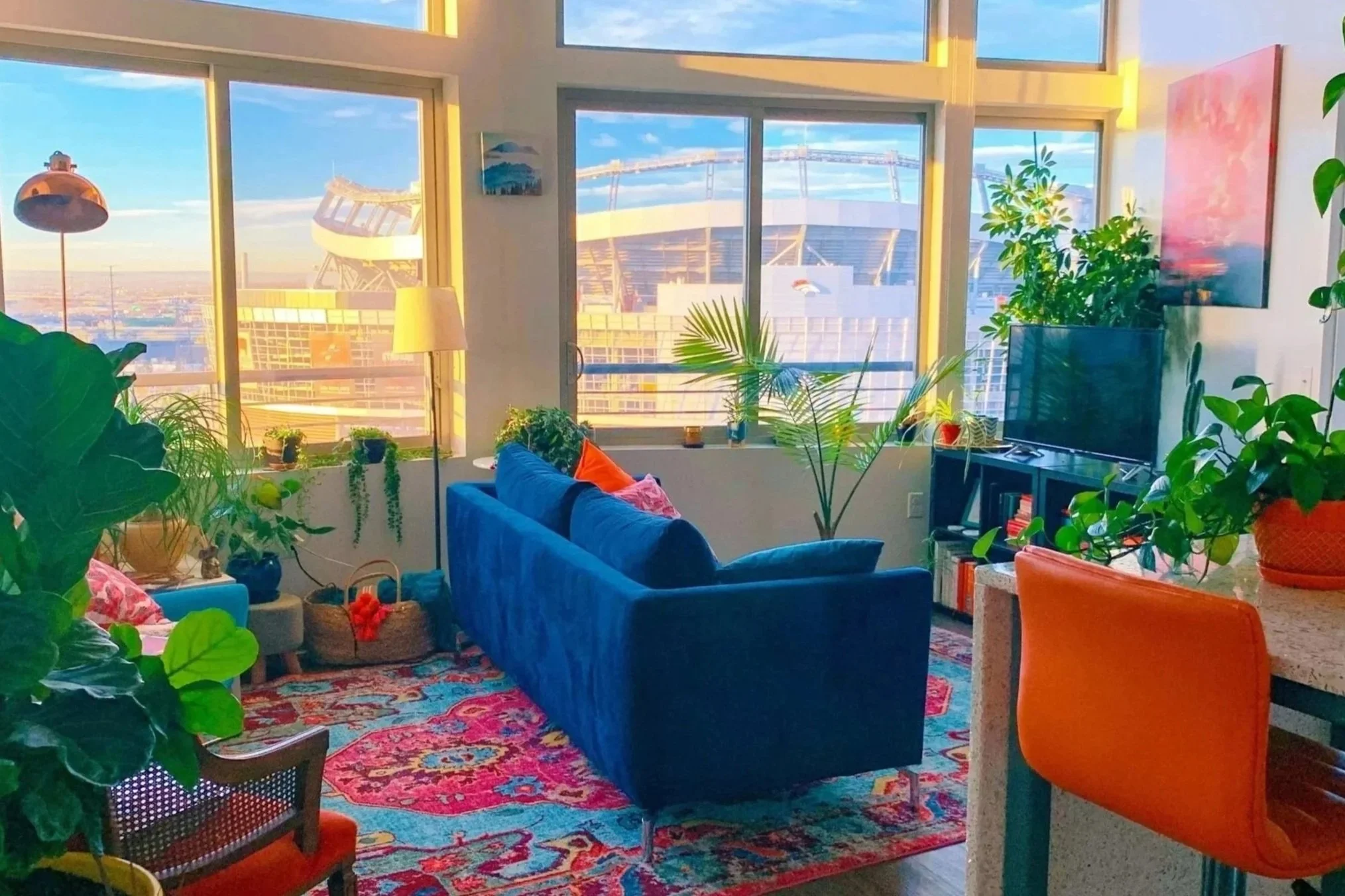
3. The Power of Color and Sensory Harmony
Colors and materials carry a physiological frequency.
They can raise or lower your nervous system’s energy just as food or music can.
Research has shown:
Soft greens, blues, and neutrals reduce heart rate and stress.
Earth tones support grounding and relaxation
Bright reds and oranges increase energy and appetite — stimulating, but often overwhelming in large doses.
From a Traditional Chinese Medicine perspective, each color relates to an organ system and emotional quality:
Green → Liver: Renewal, flow, and emotional balance.
Yellow → Spleen: Digestion, warmth, nourishment.
Red → Heart: Vitality, joy, circulation.
White → Lungs: Clarity, purity, breath.
Blue/Black → Kidneys: Calm, introspection, deep rest.
“Your environment, like your diet, should include a balanced palette — nourishing to the eyes and steadying to the nervous system.”
Textures also play a role.
Linen, clay, stone, and wood create sensory grounding — reminding the body of nature, simplicity, and safety.
Synthetic materials, on the other hand, often carry static energy that can subtly agitate the system.
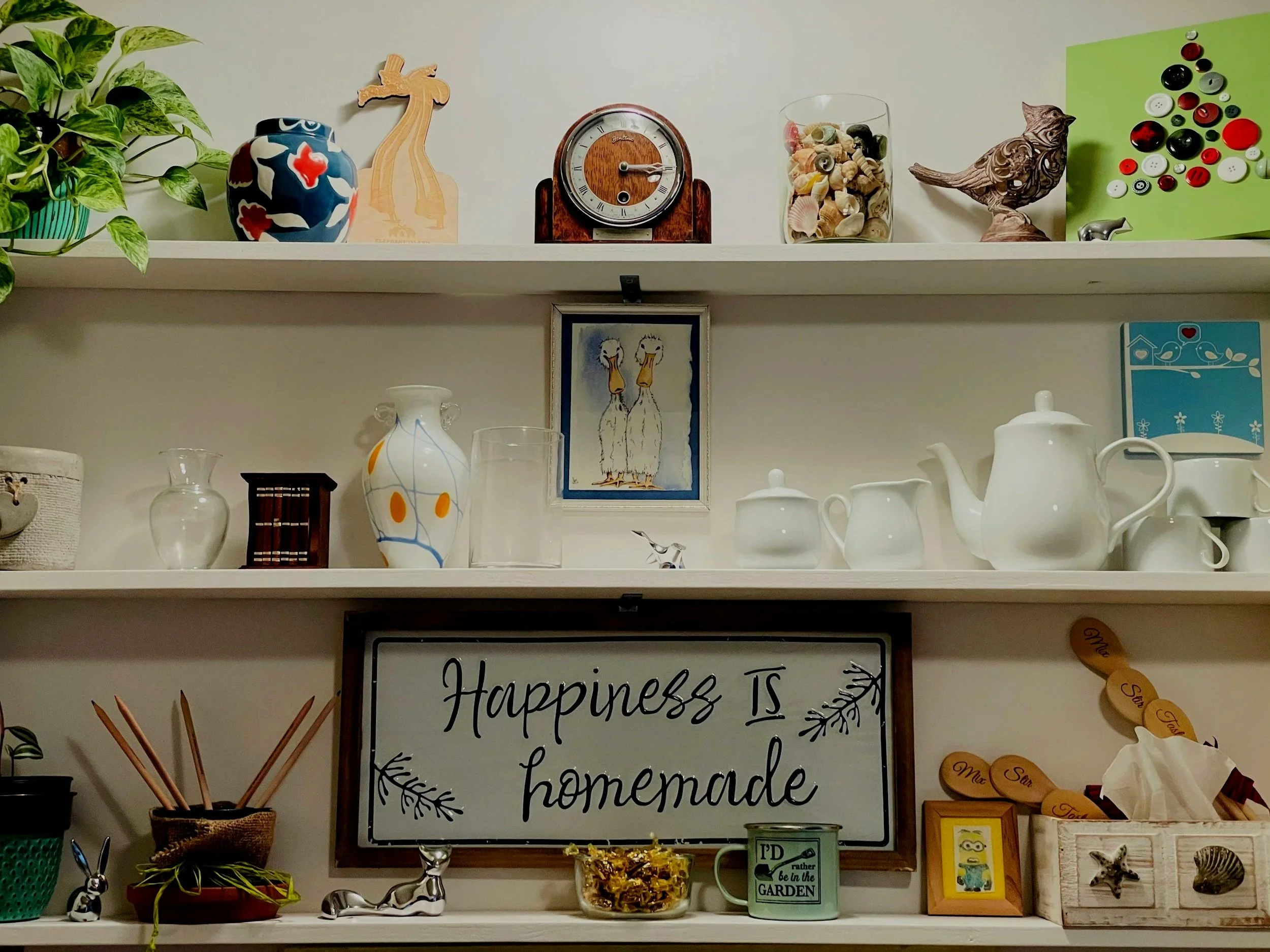
4. Clutter and Cortisol: The Inflammation You Can See
Clutter is not just visual noise — it’s physiological stress.
Every unfinished pile, overstuffed drawer, or messy counter represents an unresolved decision in the brain.
This creates “micro-cortisol hits” throughout the day, subtly fatiguing your focus and willpower.
In one UCLA study, women who described their homes as cluttered or disorganized had higher cortisol levels and greater fatigue by evening than those who described their homes as restful. The visual reminder of “too much” signals the brain that life is out of control — which, biologically, feels unsafe.
Decluttering, then, isn’t just about cleanliness — it’s about lowering inflammation.
When your space feels light and open, your body mirrors that state internally.
💡 HHH Tip: “Clear space, clear signals.” Each item you remove gives your body permission to exhale.

5. Sound, Texture, and Scent: The Forgotten Inputs
The vagus nerve — the body’s main communicator between the brain and the gut — responds to sensory input.
So the sounds, textures, and scents in your home literally affect digestion, immunity, and mood.
Soft, rhythmic sounds (wind, gentle music) improve vagal tone and calm the heart rate.
Harsh, unpredictable noise (TV, clattering appliances) suppresses vagal activity and increases tension.
Natural scents like lavender, cedar, or citrus lower anxiety and help synchronize breath and heart rhythms.
“When your sensory environment feels harmonious, your vagus nerve stays active — helping you digest, think clearly, and maintain emotional stability”

6. Beauty as a Biological Need
In functional medicine, healing comes from aligning your external and internal environments.
We talk about removing what harms and adding what heals.
This applies not just to toxins and food, but to aesthetics as well.
Beauty is a biological signal of safety.
Your body is designed to respond positively to symmetry, natural materials, and organic patterns — because, in nature, beauty often indicates health and abundance.
“When your space feels balanced, your body feels permission to relax.And relaxation is what allows healing, creativity, and emotional regulation to flourish.”
The Home Habit Health Prescription
If you want to create a home that nourishes your biology, start small.
Here’s your environmental wellness checklist:
Light therapy: Maximize natural light by day, minimize blue light by night.
Color therapy: Choose tones that reflect your desired mood — calm, grounded, energized.
Clutter therapy: Remove 3 visual stressors from your main living area this week.
Sensory therapy: Add one natural scent, one soft sound, and one tactile element (linen, wood, or clay).
Design therapy: Create “energy flow” — keep walkways open, place plants where you rest your eyes most.
Closing Thought
Your home is not just where you live — it’s how your body learns to live.
When your environment reflects harmony, your biology follows.
You don’t have to renovate to heal. You simply have to notice what feels off and begin to edit it.
Because in the end, aesthetic isn’t luxury — it’s medicine.
✨ Crafting home routines for a healthier you, one space at a time.
© Home Habit Health LLC. All rights reserved.
This article is the intellectual property of Home Habit Health. The ideas, concepts, frameworks, and written content on this site are original work and may not be reproduced, modified, or used without written permission.